
Dragons in Eastern and Western Art: How Classic Paintings Depict Mythical Creatures

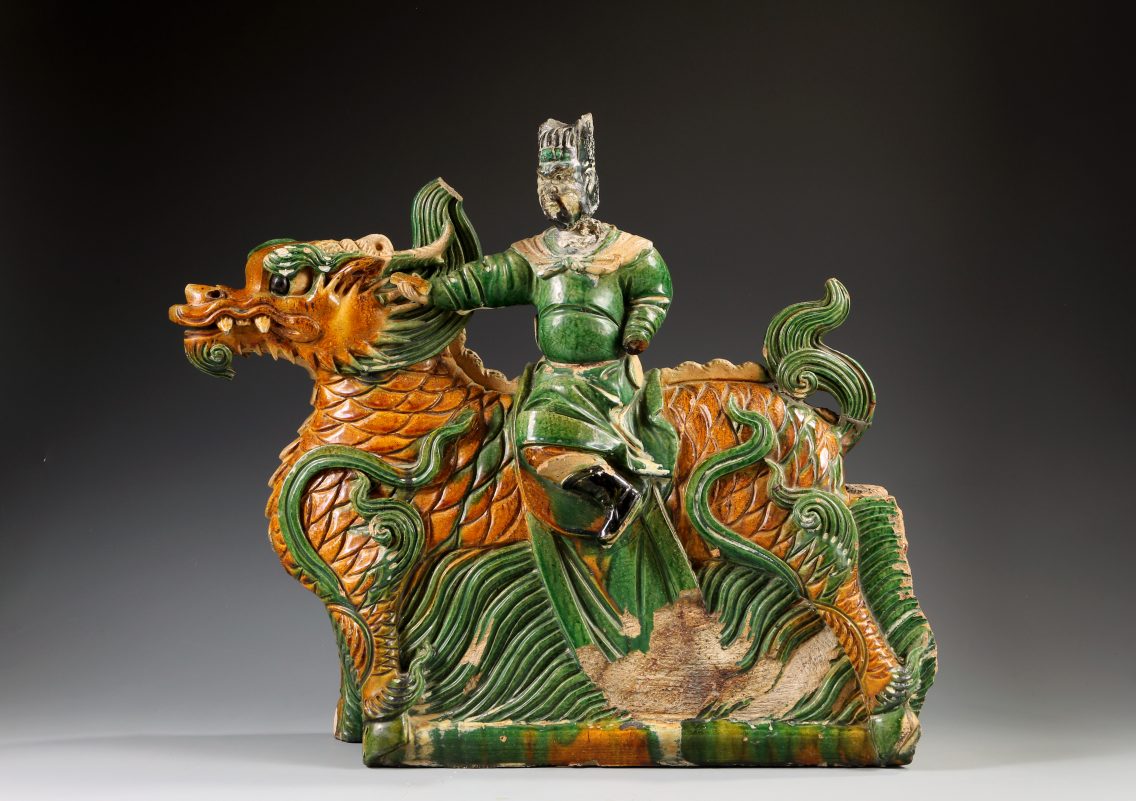
Dragons have occupied a remarkable place in art history, appearing in everything from ancient Chinese scrolls to dramatic European religious paintings. Although Eastern and Western cultures share a fascination with these mythical creatures, their artistic interpretations often reflect very different beliefs about nature, spirituality, power, and humanity. In some paintings, dragons symbolize wisdom, prosperity, and cosmic balance. In others, they represent chaos, danger, and the struggle between good and evil.
Understanding these differences reveals how artists transformed a legendary creature into a powerful cultural symbol. For modern audiences exploring mythology, fantasy, and visual storytelling, these artistic traditions offer a fascinating starting point. Even an unexpected search for something like Tongits GameZone can lead to broader interests in the cultural symbols, stories, and imaginative worlds that influence entertainment.
Eastern Dragon Paintings: Symbols of Power and Harmony
In traditional East Asian art, particularly Chinese painting, dragons are commonly associated with imperial authority, prosperity, rainfall, and the forces of nature. Rather than depicting them primarily as dangerous monsters, artists frequently portrayed dragons as powerful supernatural beings capable of maintaining harmony between heaven and earth.
Chinese dragons typically have elongated, serpentine bodies, whiskers, horns, scales, and clawed feet. Their flowing forms allow painters to create a sense of movement, especially when dragons twist through clouds, rise above mountains, or emerge from turbulent water.
One important example is the dragon imagery associated with China’s imperial tradition. Dragons appeared on palace decorations, ceremonial objects, textiles, and paintings commissioned by or associated with the imperial court. The five-clawed dragon became particularly connected with the emperor, representing authority and the legitimacy of imperial rule.
Chinese dragon paintings also frequently incorporate clouds, waves, and celestial surroundings. These elements reinforce the dragon’s relationship with the natural world rather than presenting it as an isolated creature.
The Spiritual Meaning Behind Chinese Dragons
Chinese dragon imagery reflects traditional beliefs about the interconnectedness of nature, political authority, and the spiritual world. Dragons were associated with rain and water, making them especially important in agricultural societies that depended on seasonal rainfall.
Their appearance in paintings could therefore communicate more than supernatural power. It could express hopes for abundant harvests, protection, and prosperity.
Japanese dragon art shares several characteristics with Chinese traditions, partly because of historical cultural exchange. However, Japanese artists developed distinctive interpretations through Buddhist imagery, local folklore, and decorative painting.
Japanese dragons often appear in paintings connected with temples, legendary narratives, and religious subjects. Their sinuous bodies and dramatic movement can convey both overwhelming natural power and spiritual significance.
Western Dragon Paintings: Monsters, Conflict, and Heroism
Classic Western dragon paintings often present a different image. In medieval European and later Christian artistic traditions, dragons frequently appear as dangerous creatures that heroes, saints, or divine figures must overcome.
These dragons are commonly depicted with muscular bodies, bat-like wings, sharp teeth, long tails, and powerful claws. Their appearance emphasizes physical danger and their separation from the natural order represented by virtuous characters.
One of the most recognizable examples is Saint George and the Dragon, a legendary subject interpreted by numerous European artists.
Renaissance painter Paolo Uccello created Saint George and the Dragon, a work that illustrates the traditional narrative of a Christian knight confronting a threatening creature. The dragon functions as the opponent in a story about courage, faith, and the triumph of good over evil.
The contrast between the armed saint and the dragon creates a clear visual conflict. Instead of representing harmony with nature, the dragon becomes an obstacle that must be defeated.
Dragons in Renaissance and Romantic Art
Western dragon imagery also evolved beyond strictly religious narratives. As artistic interests expanded, painters increasingly explored mythology, medieval legends, literature, and imaginative landscapes.
During the Romantic period, artists became particularly interested in dramatic subjects, supernatural beings, and powerful emotional experiences. Dragons and dragon-like creatures fit naturally into this atmosphere of mystery and spectacle.
William Blake’s The Great Red Dragon paintings, created around the turn of the nineteenth century, demonstrate a more visionary interpretation of the creature. Inspired by the Book of Revelation, Blake portrayed the dragon as an immense, terrifying supernatural presence.
These works differ from many Eastern dragon paintings in their emphasis on apocalyptic imagery, overwhelming physical form, and spiritual confrontation. The dragon is not simply an animal or a guardian of nature; it represents a force associated with destruction and cosmic conflict.
Nevertheless, Western dragons were not always exclusively evil. Medieval legends, heraldic designs, and later fantasy art sometimes used dragons to symbolize strength, nobility, guardianship, or the power of a ruling family.
Eastern and Western Dragons Compared
Although artistic traditions vary considerably, several recurring differences help explain how each culture approached dragon imagery.
| Artistic Feature | Eastern Dragon Paintings | Western Dragon Paintings |
| Common appearance | Long, serpentine body with whiskers and horns | Often winged, muscular, and reptilian |
| Symbolism | Prosperity, wisdom, authority, and natural forces | Danger, temptation, conflict, and heroism |
| Typical setting | Clouds, rivers, mountains, and celestial landscapes | Caves, battlefields, castles, and dramatic landscapes |
| Narrative role | Guardian, supernatural force, or auspicious symbol | Antagonist, legendary beast, or symbol of evil |
| Artistic emphasis | Flowing movement and relationships with nature | Physical confrontation and dramatic tension |
These distinctions are useful generalizations rather than universal rules. Eastern dragons can be frightening, and Western dragons can symbolize positive qualities. The meaning of a dragon ultimately depends on the specific artwork, its historical setting, and the story it communicates.
How Painting Techniques Shape Dragon Imagery
The differences between Eastern and Western dragons also become apparent through artistic techniques.
Traditional Chinese ink painting often uses expressive brushwork, varied ink density, and carefully controlled empty space. An artist can suggest a dragon’s movement through clouds without outlining every scale or anatomical detail. The viewer’s imagination completes the image.
In Japanese painting, decorative patterns, strong contours, and dynamic compositions can give dragons an energetic presence while maintaining a connection with spiritual or legendary themes.
Western Renaissance painters, meanwhile, often used perspective, anatomical detail, light, and shadow to establish believable environments and dramatic interactions between figures. A dragon’s wings, claws, and muscular body might be rendered in considerable detail to intensify the danger of a confrontation.
These techniques reveal how different artistic priorities influence the same mythical subject. One approach may emphasize the dragon’s relationship with the universe, while another focuses on its physical presence within a dramatic narrative.
Why Dragon Art Remains Popular Today
Dragons continue to influence contemporary illustration, cinema, video games, literature, and digital painting. Modern fantasy artists frequently combine characteristics from multiple traditions, creating creatures with Eastern-inspired bodies and Western-style wings or mixing spiritual symbolism with heroic narratives.
This blending of influences demonstrates that mythology remains adaptable. Artists can reinterpret ancient symbols while preserving the cultural histories that make them meaningful.
For audiences who enjoy imaginative storytelling, these connections also create opportunities to explore how visual symbols shape fictional worlds. Someone browsing fantasy artwork or discovering mythology through entertainment, including a platform associated with Tongits GameZone, may encounter broader questions about how traditional symbols are adapted for modern audiences. The important distinction is that a dragon’s historical meaning comes from its cultural and artistic context, not from any particular entertainment platform.
Conclusion
Classic Eastern and Western dragon paintings reveal two influential approaches to mythology. Eastern traditions frequently portray dragons as powerful beings connected with nature, prosperity, spirituality, and authority. Western traditions often emphasize conflict, heroism, religious symbolism, and the confrontation between opposing forces.
Neither tradition is entirely uniform, but their differences demonstrate how artists use mythical creatures to express cultural values and philosophical ideas. From the flowing dragons of Chinese painting to the dramatic monsters of European religious art, these legendary beings continue to inspire artists because they represent more than fantasy. They offer a visual language for exploring humanity’s relationship with power, nature, fear, and the unknown.
 By Guest Author
